

5 Signs You May Not Be Getting Enough Protein
Published on 24 Aug, 2026
Protein is essential for muscle maintenance, recovery, and many important body functions. Learn five possible signs that your diet may not be providing enough protein and discover simple ways to increase your daily intake.
5 Signs You May Not Be Getting Enough Protein
Protein is one of the most important nutrients in your daily diet. Whether your goal is muscle gain, weight management, fitness, or general wellness, getting enough protein can help support your body's normal functions.
Protein provides amino acids that your body uses to build and maintain muscles and other tissues. It is also involved in numerous biological processes.
But how do you know if you're getting enough?
If your meals are low in protein, you may find it difficult to meet your nutritional needs—particularly if you exercise regularly.
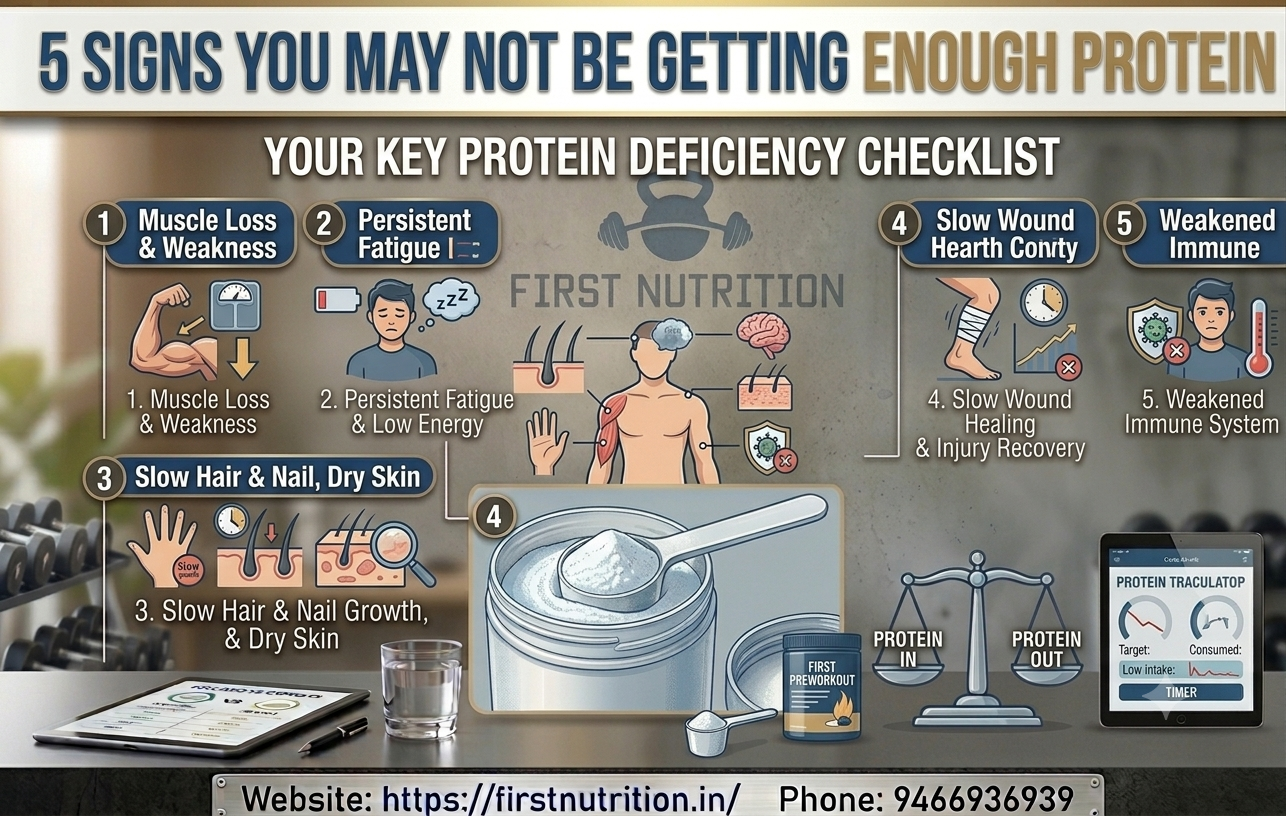
In this article, we'll discuss 5 signs you may not be getting enough protein, along with practical ways to improve your protein intake.
Important: These signs are not proof of protein deficiency and can have many other causes. If you are concerned about your nutrition or health, speak with a qualified healthcare professional.
Why Is Protein Important?
Protein is made up of amino acids, which are often described as the building blocks of the body.
Adequate protein intake helps support:
Muscle maintenance
Muscle recovery after exercise
Normal growth and development
Connective tissues
Enzymes and hormones
Immune function
Overall nutrition
For people who exercise frequently, getting enough protein becomes particularly important because training increases the need for recovery and adaptation.
Sign 1: You Struggle to Recover After Workouts
One possible sign that your diet isn't providing enough protein is difficulty recovering from regular training.
Resistance exercise creates a stimulus for muscle adaptation. Your body needs adequate protein and energy to support the repair and remodeling process.
If your nutrition is consistently inadequate, you may notice:
Longer-lasting muscle soreness
Difficulty feeling recovered before your next workout
Reduced training quality
Difficulty maintaining your normal exercise routine
However, recovery also depends on sleep, hydration, training intensity, total calories, and stress, so protein isn't the only factor.
What Can You Do?
Include a protein source in your meals throughout the day.
Good choices include:
Eggs
Chicken
Fish
Paneer
Milk
Greek yogurt
Lentils
Beans
Soy products
Whey protein
Sign 2: You're Constantly Hungry Between Meals
Protein tends to be more filling than carbohydrates or fats on a calorie-for-calorie basis.
If your meals contain very little protein, you may find yourself feeling hungry soon after eating.
For example, a breakfast consisting mainly of refined carbohydrates may not keep you satisfied for as long as a balanced meal containing:
Protein + carbohydrates + healthy fats + fiber
Try This
Instead of having only toast or cereal, consider adding:
Eggs
Greek yogurt
Milk
Cottage cheese
A protein-rich smoothie
Small changes can make your meals more balanced.
Sign 3: You're Struggling to Maintain Muscle
Muscle maintenance depends on several factors, including resistance training, sufficient energy intake, protein, sleep, and overall health.
If your protein intake is consistently low—especially while dieting or exercising—you may find it harder to maintain your muscle mass.
This can be particularly relevant for people who:
Follow restrictive diets
Frequently skip meals
Eat very small portions
Exercise regularly
Are trying to lose weight
The Solution
Prioritize protein-rich foods across your meals instead of trying to consume most of your protein in one sitting.
A balanced daily intake can be easier to maintain than relying on a single high-protein meal.
Sign 4: Your Fitness Progress Has Stalled
Are you training consistently but not seeing the progress you expect?
There could be many reasons.
Your training program, calorie intake, sleep, recovery, exercise technique, and protein intake can all influence results.
If you're trying to build muscle, consistently eating too little protein may make it harder to support your body's muscle-building processes.
Build a Better Nutrition Routine
Try creating meals around a quality protein source.
For example:
Breakfast: Eggs + oats + milk
Lunch: Rice + chicken/paneer + vegetables
Snack: Greek yogurt + nuts
Dinner: Fish/tofu + rice or roti + vegetables
This approach makes protein a regular part of your diet instead of an afterthought.
Sign 5: Your Diet Contains Very Few Protein-Rich Foods
Sometimes the simplest sign is your daily food choices.
Take a look at what you normally eat.
If most of your meals consist primarily of:
Rice
Roti
Bread
Cereals
Snacks
Fruits
and you rarely include protein-rich foods, you may not be reaching your ideal protein intake.
This doesn't automatically mean you're protein deficient, but it can be a reason to review your diet.
How Much Protein Do You Need?
Protein requirements vary depending on factors such as:
Body weight
Age
Activity level
Training goals
Overall diet
Health status
For adults who regularly perform resistance training, a commonly used range is approximately 1.6–2.2 grams of protein per kilogram of body weight per day when the goal is maximizing muscle-building adaptations.
For example, a 70 kg person might consume approximately 112–154 grams per day.
This is a general fitness guideline, not a universal prescription.
Best Natural Sources of Protein
You don't have to rely on supplements to increase protein intake.
Animal-Based Sources
Eggs
Chicken
Fish
Lean meat
Milk
Greek yogurt
Paneer
Plant-Based Sources
Lentils
Chickpeas
Kidney beans
Soy
Tofu
Peas
Nuts
Seeds
Combining different plant protein sources can help create a varied and nutritious diet.
Can Whey Protein Help?
Yes. Whey protein can be a convenient way to increase your daily protein intake.
It's especially useful for people who:
Have busy schedules
Exercise regularly
Struggle to eat enough protein from food
Need a convenient post-workout option
an easy protein-rich snack
A whey shake can be mixed with water or milk and consumed as part of a balanced diet.
However, whey protein is a supplement—not a replacement for nutritious whole foods.
Whey Protein Isn't Only for Bodybuilders
One common misconception is that protein supplements are only for professional athletes or bodybuilders.
In reality, whey protein can simply be a convenient source of dietary protein for many active adults.
Your protein needs should be based on your individual diet and goals rather than your gym experience.
Easy Ways to Increase Your Protein Intake
You don't need to completely change your diet.
Try these simple strategies:
Add Eggs to Breakfast
Eggs are an easy source of high-quality protein.
Add Greek Yogurt to Snacks
Greek yogurt can provide protein along with a convenient snack option.
Include Paneer or Tofu
These can be useful additions to vegetarian meals.
Add Dal to Lunch and Dinner
Lentils can contribute both protein and dietary fiber.
Use Whey Protein When Convenient
A protein shake can help when you're short on time.
Add Protein to Every Main Meal
Instead of consuming most of your protein at dinner, distribute protein sources throughout the day.
Common Protein Mistakes
Focusing Only on Protein
Protein is important, but your diet also needs carbohydrates, fats, vitamins, minerals, and fiber.
Eating Too Little Overall
Muscle growth and recovery require adequate energy as well as protein.
Depending Completely on Supplements
Whole foods should form the foundation of your nutrition.
Ignoring Hydration
Water is essential for normal body function and exercise performance.
Neglecting Sleep
Recovery isn't only about nutrition. Consistent, quality sleep is also important.
Why Choose First Nutrition for Protein Supplements?
If you're looking for convenient ways to increase your protein intake, First Nutrition offers a wide selection of authentic sports nutrition products.
Our range includes:
Whey protein
Isolate protein
Mass gainers
Creatine
Pre-workout
BCAA and EAA
Collagen
Fish oil
Vitamins and minerals
Choosing authentic products from trusted brands is important when purchasing nutritional supplements.