


© 2025, First Nutrition Design By
Rynow
Infotech
All rights reserved
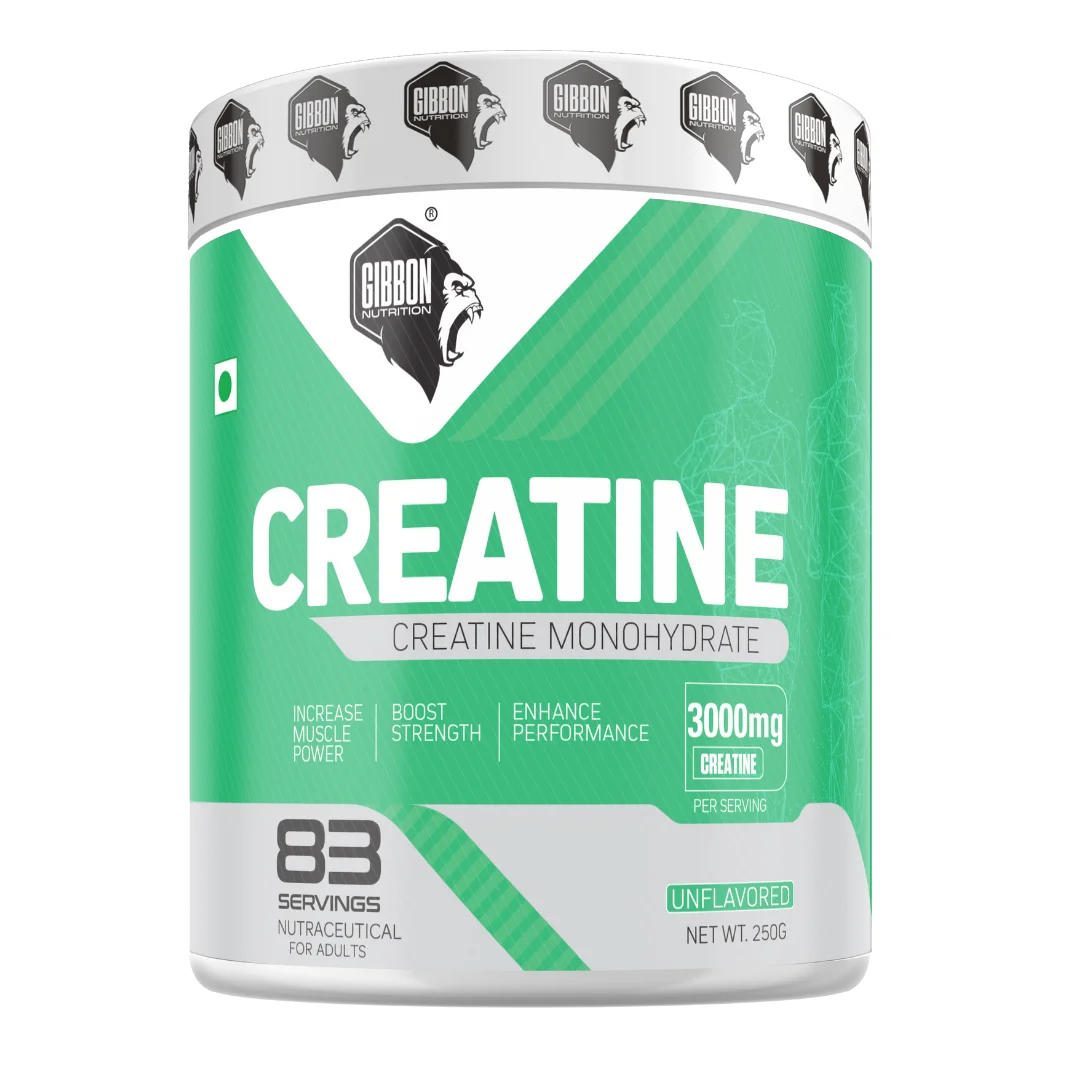
Creatine is a natural compound produced in the human body
(liver, kidneys) and found in red meat and fish. It is widely used as a
nutritional supplement to boost athletic performance, particularly for
high-intensity training.
Description & Function
What it does: It increases phosphocreatine
stores in muscles, which helps regenerate adenosine triphosphate (ATP)—the
primary cellular energy source—during short, high-intensity exercise.
Benefits: It increases muscle strength, improves
anaerobic capacity, and boosts muscle mass (usually 1–2 kg gain, largely due to
initial water retention).
Safety: Extensively studied, it is generally
considered safe for long-term use in healthy individuals.
Usage & Dosing
Form: Creatine Monohydrate is the most
researched and effective form.
Common Protocol (Loading): 20 grams per day
(usually divided into 4 servings) for 5–7 days, followed by a maintenance dose
of 3–5 grams per day.
Alternative Protocol: Simply taking 3–5 grams
daily. It takes longer (about 4 weeks) to fully saturate muscles, but it is
just as effective.
Best Time: Consistency is more important than
timing, but taking it post-workout with carbs/protein may slightly improve
uptake.
Hydration: It is important to drink plenty of
fluids, as creatine pulls water into muscle cells.
Key Considerations
Not a stimulant: It does not provide immediate
energy like caffeine; it works by increasing overall capacity.
Side Effects: Generally mild, but can include
temporary bloating, stomach discomfort, or water retention.
Who it helps: Primarily useful for sprinters,
weightlifters, and athletes doing interval training. It is also beneficial for
vegetarians who have lower baseline levels.

.webp)


